


Performance — where it sits in the catalog
| Bass reach | Treble reach | Sensitivity | Easy load | Cone area | |
|---|---|---|---|---|---|
| Epikore 3 | 42 Hz | 34 kHz | 85 dB | 6 Ω | 282 cm² |
| Median | 45 Hz | 25 kHz | 87 dB | 6 Ω | 219 cm² |
How to read this chart
Each axis spans the range the 470 bookshelves in the catalog actually cover, so equal distance means equal difference — and for cone area and the two frequencies, which are read as ratios, equal distance means equal ratio. The dashed inner ring is where the scale starts, not zero. Ranked within a class because a bookshelf measured against floorstanders is feeble on every axis for the single reason that it is a bookshelf. Cone area is summed from the drive units — no maker publishes it. Bass and treble reach are quoted to different tolerances and only 56% of the catalog says which, so read those two axes as approximate. The grey outline is the median of this speaker's own class, the 385 passive bookshelves — same type, same side of the active/passive line, which matters because the two halves are not the same product: the median active bookshelf carries 155 cm² of cone against the passive median's 219. Median rather than mean, because a handful of very large cabinets would drag a mean above most of the class it claims to describe.

Suggested TrueScale comparisons
Tap any speaker to see it beside this one at true, real-world scale.
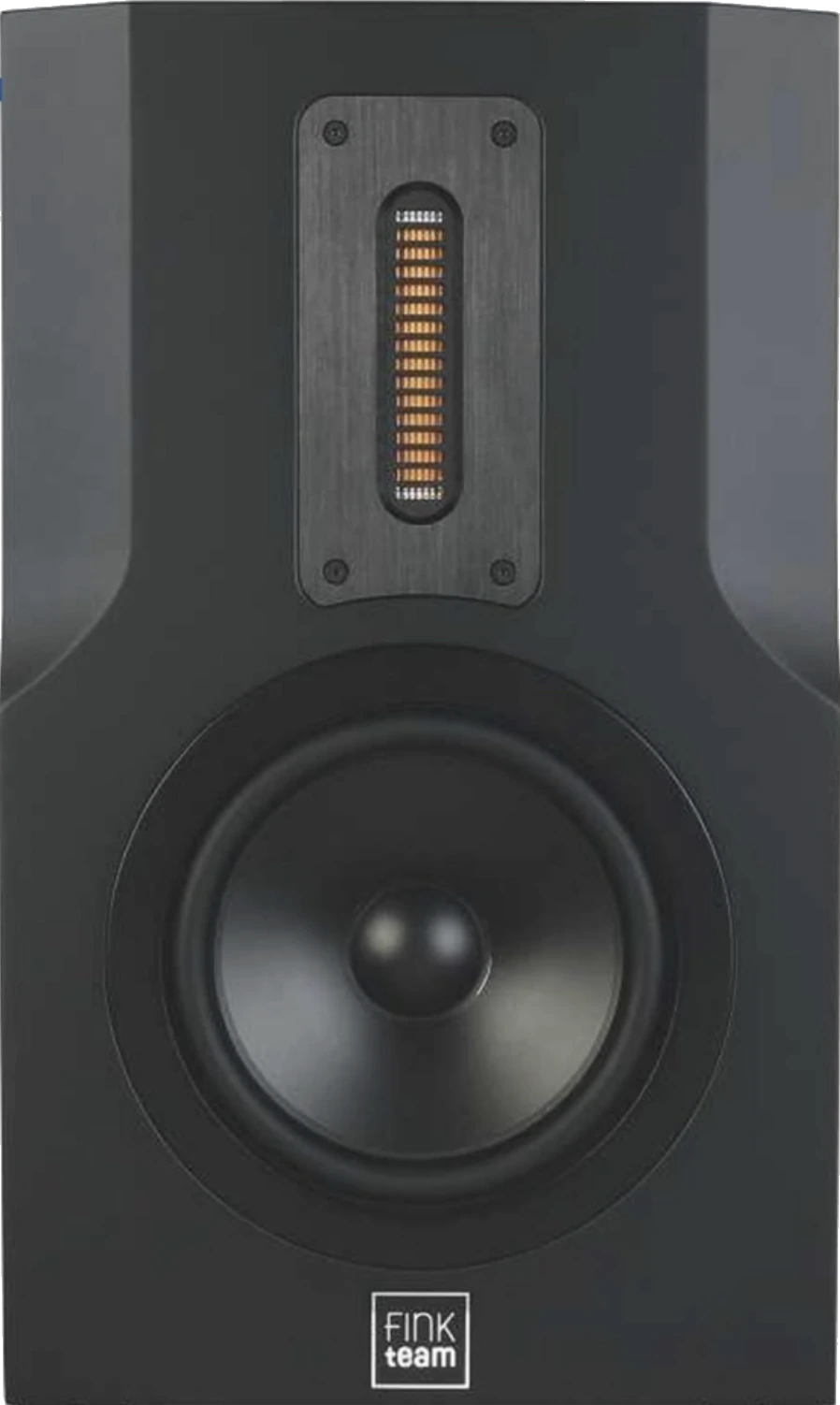
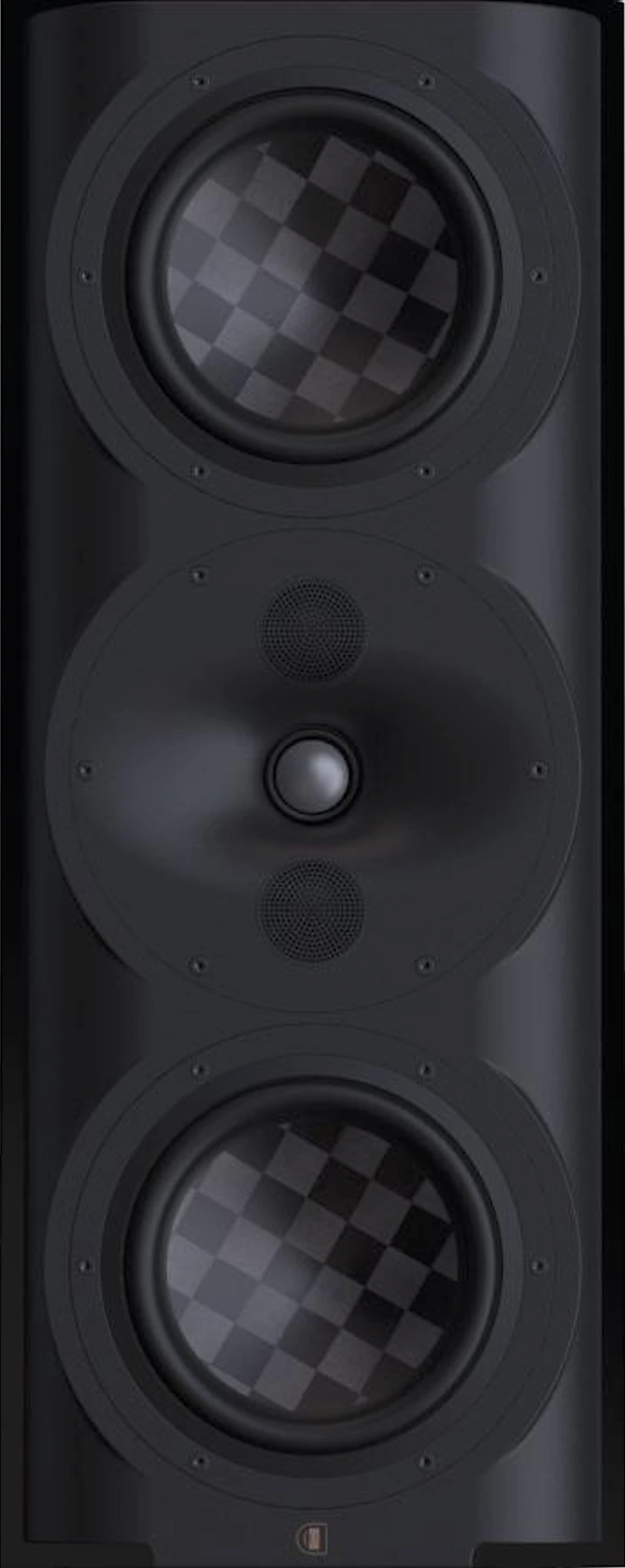
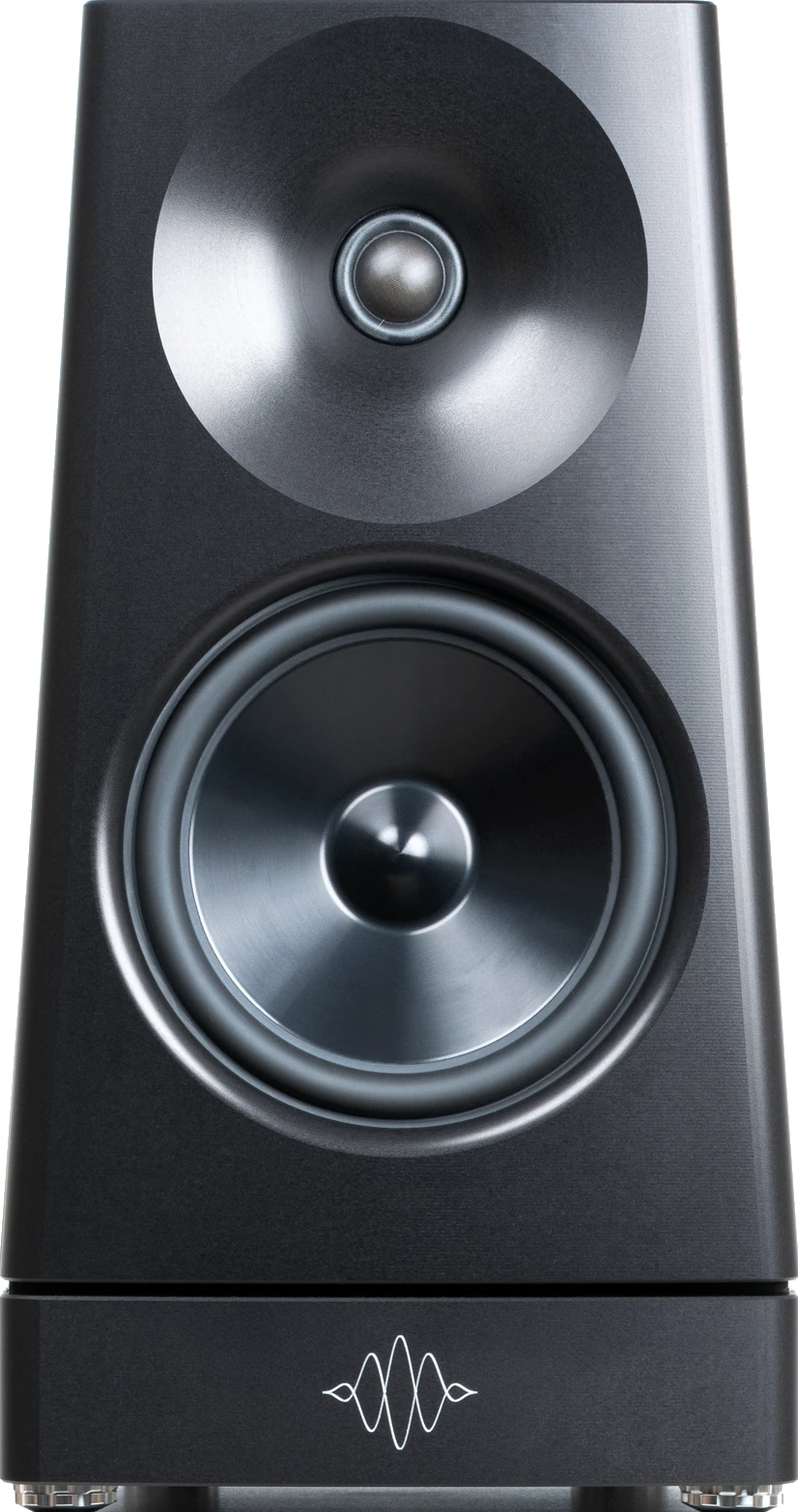
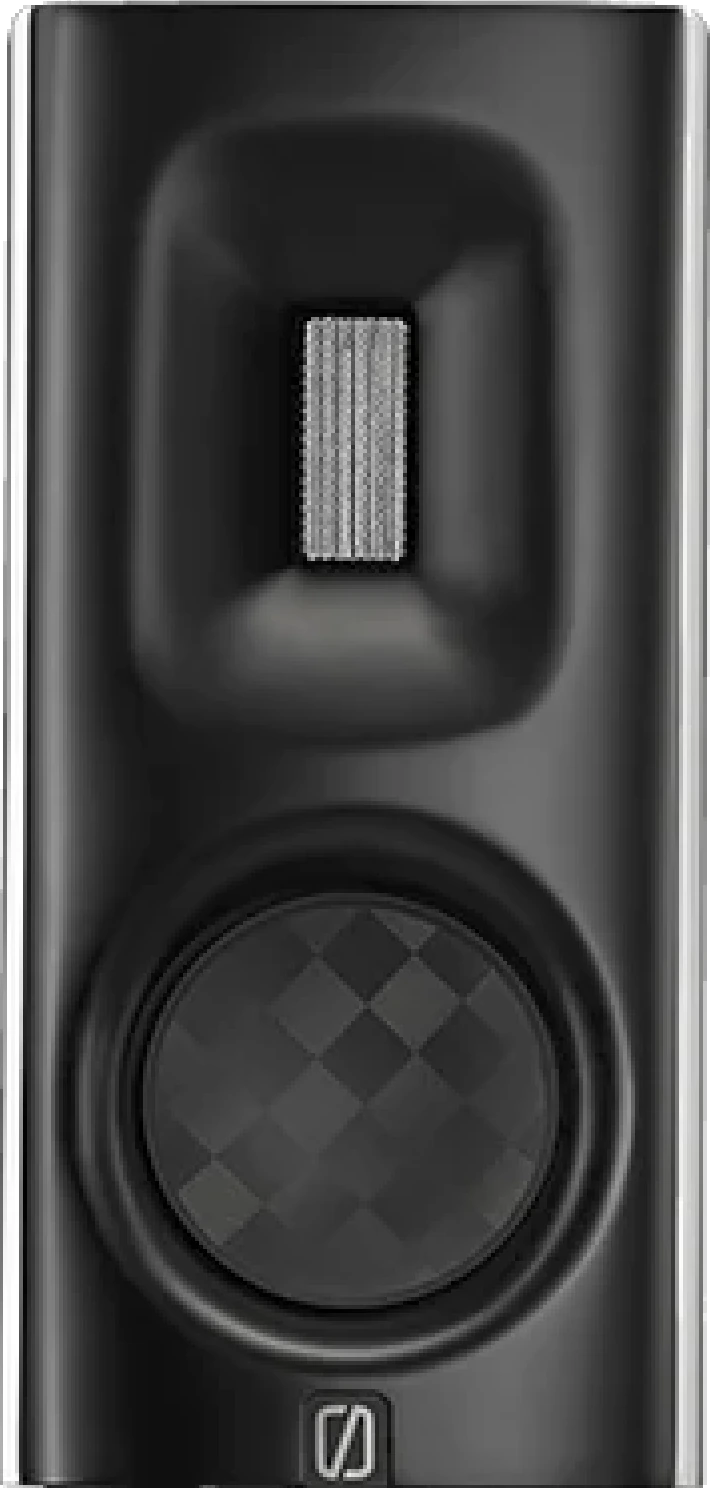
Dali · Epikore · Bookshelf
Epikore 3
Performance — where it sits in the catalog
| Bass reach | Treble reach | Sensitivity | Easy load | Cone area | |
|---|---|---|---|---|---|
| Epikore 3 | 42 Hz | 34 kHz | 85 dB | 6 Ω | 282 cm² |
| Median | 45 Hz | 25 kHz | 87 dB | 6 Ω | 219 cm² |
How to read this chart
Each axis spans the range the 470 bookshelves in the catalog actually cover, so equal distance means equal difference — and for cone area and the two frequencies, which are read as ratios, equal distance means equal ratio. The dashed inner ring is where the scale starts, not zero. Ranked within a class because a bookshelf measured against floorstanders is feeble on every axis for the single reason that it is a bookshelf. Cone area is summed from the drive units — no maker publishes it. Bass and treble reach are quoted to different tolerances and only 56% of the catalog says which, so read those two axes as approximate. The grey outline is the median of this speaker's own class, the 385 passive bookshelves — same type, same side of the active/passive line, which matters because the two halves are not the same product: the median active bookshelf carries 155 cm² of cone against the passive median's 219. Median rather than mean, because a handful of very large cabinets would drag a mean above most of the class it claims to describe.
| Type | Bookshelf |
|---|---|
| HiFi ladder position | #392 of 470 bookshelf |
| Power | Passive |
| Height | 470 mm |
| Width | 239 mm |
| Depth | 420 mm |
| Footprint | 1004 cm² |
| Space taken | 47.2 L |
| Weight | 22 kg |
| Enclosure | Bass reflex, rear port |
| Port tuning | 39 Hz |
| Drivers | 1× 55 mm super-tweeter (planar magnetostatic), 1× 35 mm tweeter (soft woven-fabric dome), 1× 178 mm mid-bass (Clarity Cone paper and wood-fibre, SMC Gen-2 motor) |
| Crossover frequency | 2800 / 12500 Hz |
| Frequency response | 42–34000 Hz (±3 dB) |
| Sensitivity | 85 dB |
| Impedance | 6 Ω |
| Recommended amp | 40–250 W |
| MAP (USD) | $15,000 / pair |
| Where to buy | Check availability ↗ |
| Manufacturer | dali-speakers.com ↗ |
| Product page | Open product page ↗ |
Suggested TrueScale comparisons
Tap any speaker to see it beside this one at true, real-world scale.